



Admin

Feb 04, 2026

Surfing
Warranty Coverage Periods and Terms
When purchasing a sit-in kayak, understanding the warranty coverage period and terms offered by the manufacturer is crucial. Most kayak manufacturers offer varying warranty periods, which typically range from one to five years depending on the components. For instance, the hull might be covered for five years, while parts and accessories might have a one-year coverage.
Hull Coverage Duration
The hull of the kayak is the primary structural component, and its durability is critical. A longer warranty period on the hull, ideally five years, indicates the manufacturer's confidence in their product's durability. This is particularly important if the kayak is manufactured through OEM (Original Equipment Manufacturer) processes, as seen in many products originating from China.
Components and Accessories Warranty
Parts such as seats, foot braces, and additional accessories often have shorter warranty periods. It's vital to understand these limitations as they affect what will be covered in case of defects or damages. Ensure that the manufacturer's warranty terms clearly outline which components are included and the specific terms of coverage.
Types of Coverage: Hull and Components
Comprehensive warranty coverage should include protections against defects in materials and workmanship. This means that any manufacturing issues should be rectified by the manufacturer without charge to the user.
Material Defects
Material defects occur when the materials used in the kayak do not meet the specified standards. Manufacturers, especially those engaged in OEM manufacturing in China, must ensure high-quality material selection to minimize such defects. Choosing a kayak with comprehensive material defect coverage ensures long-term durability and performance.
Workmanship Issues
Workmanship defects cover assembly and production issues. If a kayak has improperly assembled components, this can significantly affect performance and safety. A good warranty should address these defects, offering repair or replacement services.
Importance of Proof of Purchase
A crucial aspect of leveraging any warranty is retaining proof of purchase. This typically includes a sales receipt or invoice, which is required to validate the warranty claim process.
Maintaining Documentation
Documenting your purchase details is essential. Keep these records in a safe place, as manufacturers often require them to process warranty claims. This step is crucial for OEM products made in China, where serial numbers and production details can be cross-referenced with purchase data.
Claim Process Verification
Manufacturers require proof of purchase to verify claim eligibility. Ensure that your warranty policy outlines the necessary documents and any associated deadlines for submitting claims. This transparency is vital in assessing a manufacturer’s commitment to customer service.
Authorized Dealer Inspections and Repairs
Many manufacturers stipulate that warranty claims must be processed through authorized dealers to ensure that repairs are carried out to the manufacturer’s specifications.
Finding Authorized Dealers
Research the availability of authorized dealers in your area before purchasing. A robust dealer network ensures convenience and accessibility for warranty claims. Manufacturers leveraging OEM production in China often have widespread dealer networks to support global distribution.
Repair Protocols
Authorized dealers are trained to repair or replace components in line with the manufacturer’s standards. This ensures that any repair work does not compromise the kayak’s structural integrity or performance.
Costs Associated with Warranty Claims
Understanding the potential costs involved with warranty claims helps in making an informed purchasing decision. While some manufacturers offer free repairs, others may charge fees for shipping or handling.
Shipping and Handling Fees
Some warranties cover repair costs but may require the consumer to pay for shipping to and from the repair facility. These fees can add up, especially if international shipping is involved, such as sending a kayak back to a manufacturer in China.
Labor and Replacement Costs
In some cases, labor costs for repair might be covered by the warranty, but replacement parts could incur charges. This varies by manufacturer and specific warranty terms, so it's essential to assess these details prior to purchase.
Exclusions and Limitations in Warranties
All warranties come with exclusions and limitations that dictate what is not covered under their terms. These exclusions often include damage from misuse, normal wear and tear, and environmental factors.
User-Induced Damage
Most warranties do not cover damages resulting from user negligence, such as improper storage or collisions. Understanding these limitations helps manage expectations regarding what the warranty will cover.
Weather and Environmental Effects
Environmental damage, such as UV deterioration or saltwater corrosion, is typically excluded. Manufacturers may recommend specific maintenance practices to mitigate such risks, especially for kayaks used frequently in harsh conditions.
Legal Rights Beyond Manufacturer Warranties
Consumers may have additional legal rights under country-specific consumer laws, which can affect how warranties are interpreted and enforced.
Consumer Protection Laws
In many regions, consumer protection laws provide rights that exceed those outlined in a manufacturer’s warranty. These can include mandates for reasonable product durability expectations and refund rights.
Warranty Interpretation
Understanding how local laws interact with warranty terms can influence dispute resolution outcomes. Consumers purchasing OEM kayaks from China should be particularly aware of international legal frameworks affecting warranty enforcement.
Defect Resolution Options: Repair vs. Replacement
When a defect is covered under warranty, manufacturers may offer repair or replacement options. The choice often depends on the nature and extent of the defect.
Repair Services
Repair can be a suitable option for minor defects. It involves fixing problematic components to restore full functionality without replacing the entire kayak. This is a common approach for defects in accessories or non-structural parts.
Replacement Policies
Replacement is often offered for significant defects that impact core functionality or safety. The decision to replace a kayak often depends on the cost-effectiveness of repairs versus full replacement.
International Warranty Considerations
For consumers purchasing kayaks internationally, especially from manufacturers or OEMs in China, understanding how warranty claims are handled outside the country of purchase is critical.
Export and Import Regulations
International warranty claims might require compliance with export regulations, potentially affecting the cost and processing time of warranty services. Consumers should be aware of duties, taxes, and other charges that may apply.
Global Dealer Networks
Having access to a global network of authorized dealers can ease the process of international warranty claims. Verify the availability of such networks before completing a purchase.
Evaluating Manufacturer Customer Support
A final consideration in selecting a kayak is the manufacturer's level of customer support. Responsive and helpful customer service can significantly impact the warranty claim experience.
Communication Channels
Manufacturers offering multiple communication channels, such as email, phone, and live chat, demonstrate a commitment to accessible support. Check for customer service availability during convenient hours for your time zone.
Response Times
Quick response times and clear communication from manufacturer support teams enhance customer satisfaction. Look for reviews and testimonials to gauge the effectiveness of the manufacturer’s support services.
Vickingkayaks Provide Solutions
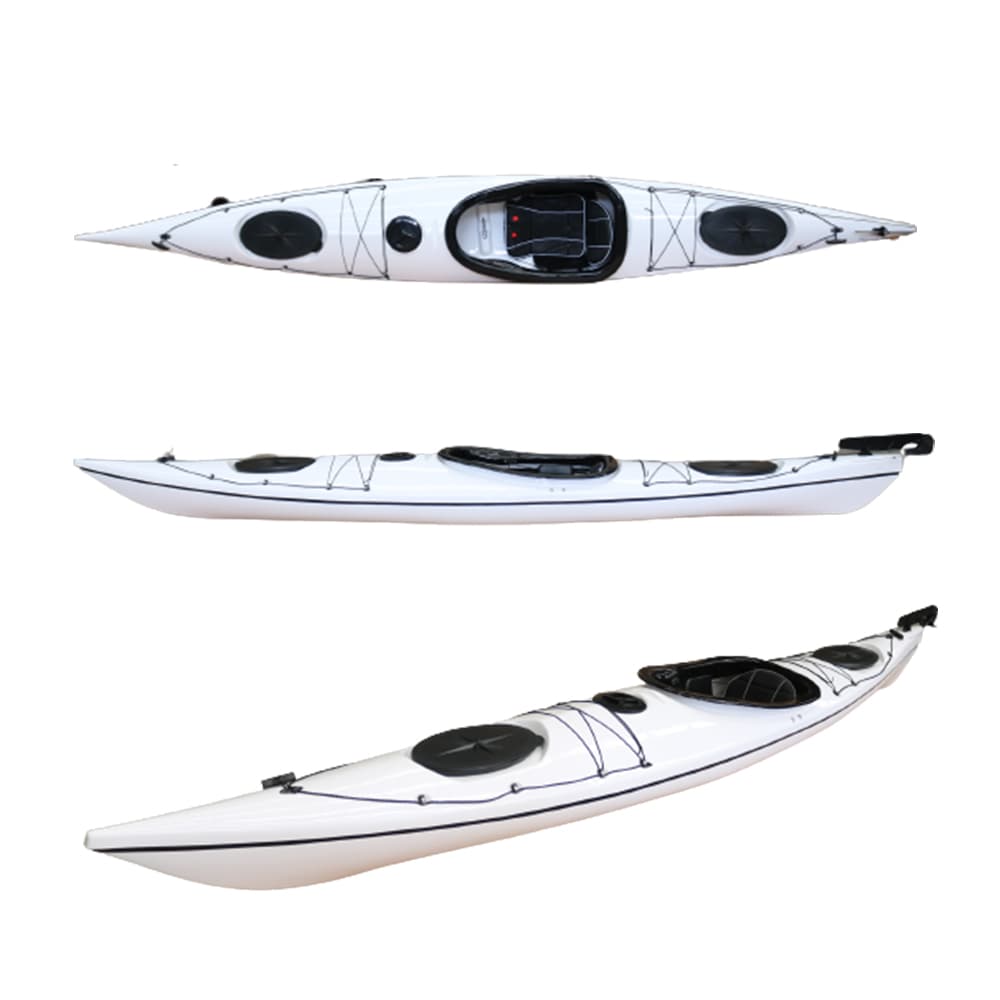
Vickingkayaks offers a comprehensive warranty solution tailored for sit-in kayaks, prioritizing customer satisfaction and product reliability. With a robust five-year hull warranty, we ensure that our kayaks withstand the rigors of regular use while maintaining top performance. Our commitment to quality and craftsmanship, often achieved through OEM partnerships in China, allows us to provide competitive pricing without compromising durability. Our global dealer network and dedicated customer support team are always ready to assist with any warranty claims or inquiries, ensuring that your kayaking experience remains seamless and worry-free.
User hot search: sit in kayak Related Post







Hot Products - Sitemap - Special
kayak seat , Durable roto molded kayak supplier , ice boxes , kayak boat manufacturers , cooler box for sale , cool box
 Privacy settings