



Admin

Aug 21, 2025

Surfing
Introduction to Kayak Materials: Rotomolded vs Other Types
When it comes to choosing a kayak, the material is crucial in determining its durability, performance, and overall value. Rotomolded, thermoformed, and composite kayaks each have distinct characteristics that appeal to different types of paddlers. Understanding these differences can help you make an informed decision. In this article, we'll compare these materials in detail, with a focus on the durability of rotomolded kayaks. We'll also consider factors such as cost, maintenance, and performance to provide a comprehensive guide.
Longevity of Rotomolded Kayaks
Material Composition and Durability
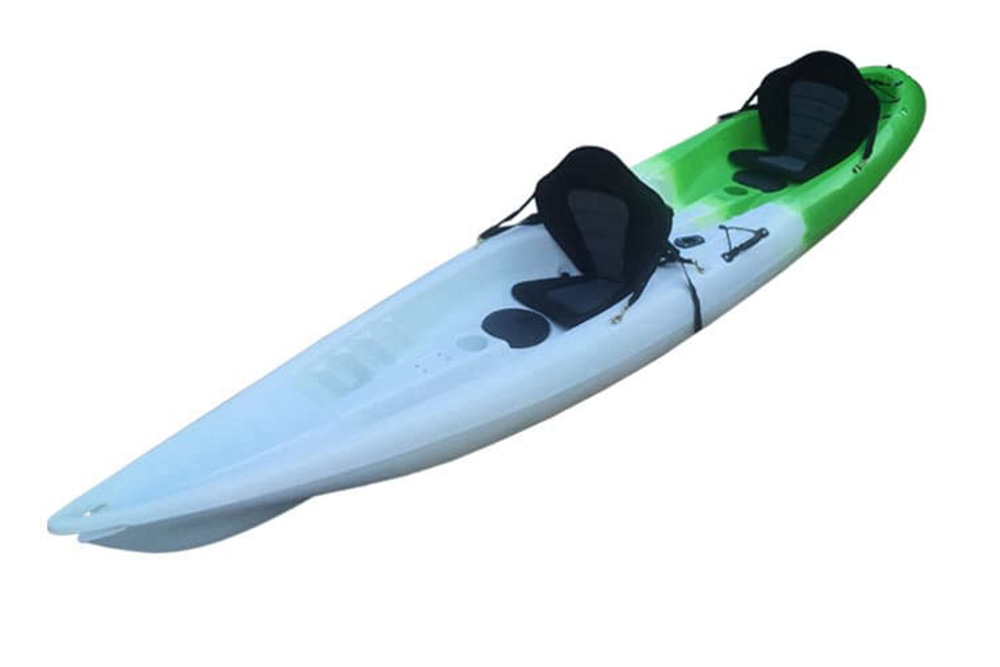
Rotomolded kayaks are made using a rotational molding process, where polyethylene plastic is heated and molded to form a single, seamless piece. This process results in a highly durable product that can withstand significant wear and tear. The polyethylene used is often UV-resistant, which helps to prevent degradation from sun exposure. Consequently, rotomolded kayaks can last decades with minimal maintenance, making them a popular choice for OEMs and manufacturers looking for longevity in their product lines.
Impact Resistance of Rotomolded Kayaks
Handling Rocks and Rough Conditions
One of the standout features of rotomolded kayaks is their exceptional impact resistance. The robustness of the polyethylene material allows these kayaks to withstand collisions with rocks, logs, and other obstacles commonly encountered in various water environments. This makes them an ideal choice for beginners and recreational paddlers who might encounter rough conditions. Even OEMs and kayak factories recognize the value of offering a product that maintains its integrity under stress, further validating the durability of rotomolded designs.
Thermoformed Kayaks: Strengths and Limitations
Comparison with Rotomolded Kayaks
Thermoformed kayaks are created by forming two sheets of plastic into the shape of the deck and hull, which are then fused together. While they are lighter and often more visually appealing than rotomolded kayaks, they lack the same level of durability. The joint between the deck and hull can be a weak point, and while they handle regular use well, they may not be as resilient to direct impacts or rough handling compared to their rotomolded counterparts. For OEMs focusing on aesthetics and lightweight options, thermoformed kayaks might be preferable, but durability remains a concern.
Composite Kayaks: The Lightweight Contenders
Durability vs Cost
Composite kayaks, made from materials like fiberglass, carbon fiber, or aramid, offer a sleek and efficient design. They are lighter than both rotomolded and thermoformed kayaks, which enhances their performance and ease of transport. However, this comes at a significant cost. While composites can handle regular paddling and are easy to repair, they are not as durable when it comes to impacts. Manufacturing these requires precision and higher costs, which reflects in the final product price. OEMs and manufacturers need to weigh these factors when prioritizing lightweight designs over impact strength.
Maintenance and Repair: Rotomolded vs Other Types
Ease of Upkeep
Maintenance requirements can significantly impact the total cost and convenience of owning a kayak. Rotomolded kayaks are relatively low-maintenance; a simple wash with water can keep them in good shape. In contrast, thermoformed and composite kayaks may require more care and are more challenging to repair. Thermoformed kayaks can develop cracks at the joints, requiring adhesive repairs, while composite kayaks need resin and fiberglass patches. For manufacturers focused on creating long-lasting products with minimal upkeep requirements, rotomolded kayaks present an advantageous option.
Cost Considerations Across Kayak Types
Balancing Budget and Performance
The cost of a kayak can vary widely depending on the material. Rotomolded kayaks are generally the most affordable due to their straightforward manufacturing process, with prices averaging between $500 to $1,000. Thermoformed kayaks, offering a blend of aesthetics and performance, range from $1,000 to $2,000. Composite kayaks are the most expensive, often exceeding $2,000, reflecting their high-performance materials and manufacturing complexity. For kayak factories and OEMs, choosing the right material involves balancing production costs with market demand and consumer expectations.
Environmental and Aesthetic Considerations
Sustainability and Design
Environmental considerations play a growing role in consumer decisions. Rotomolded kayaks, while durable, are less recyclable than other materials. Thermoformed kayaks offer a more environmentally-friendly profile, given their potential for recycling. Aesthetically, thermoformed and composite kayaks often provide a more polished look compared to the industrial appearance of rotomolded kayaks. Manufacturers and OEMs have to consider these factors, especially as consumer preferences shift towards sustainable and visually appealing products.
Personal Experience and User Testimonials
Real-World Feedback
Feedback from paddlers highlights the durability and versatility of rotomolded kayaks. Users report a high level of satisfaction, particularly for recreational and beginner applications, due to their ability to handle various conditions without sustaining damage. Thermoformed and composite kayaks receive praise for their lightweight designs and performance, but concerns about durability persist. These testimonials are invaluable for factories and OEMs in shaping their product development and marketing strategies to meet consumer needs.
Conclusion: Choosing the Right Kayak Material
Choosing the right kayak material depends on various factors including intended use, budget, and personal preferences. Rotomolded kayaks offer exceptional durability and value for money, making them a solid choice for most paddlers. While thermoformed and composite kayaks provide benefits in weight and aesthetics, their durability does not match that of rotomolded kayaks. For OEMs and manufacturers, understanding these nuances can guide production choices that align with market demands.
Vickingkayaks Provide Solutions
At Vickingkayaks, we understand the diverse needs of paddlers when it comes to durability, performance, and cost. Our range of rotomolded kayaks is designed to offer exceptional longevity and resilience, suitable for a wide range of activities and conditions. We work closely with OEMs and factories to ensure that our products meet the highest quality standards while providing competitive pricing. Whether you're a recreational paddler or a kayaking enthusiast, Vickingkayaks has the right solution to meet your needs.
User hot search: rotational molding kayak Related Post






Hot Products - Sitemap - Special
kayak boat manufacturers , pedal kayak manufacturers , kayak makers , kayak manufacturer , best kayak manufacturers , roto molded kayak
 Privacy settings