



Admin

Sep 21, 2025

Surfing
Storage Capacity and Space Utilization
Traditional Kayak Storage
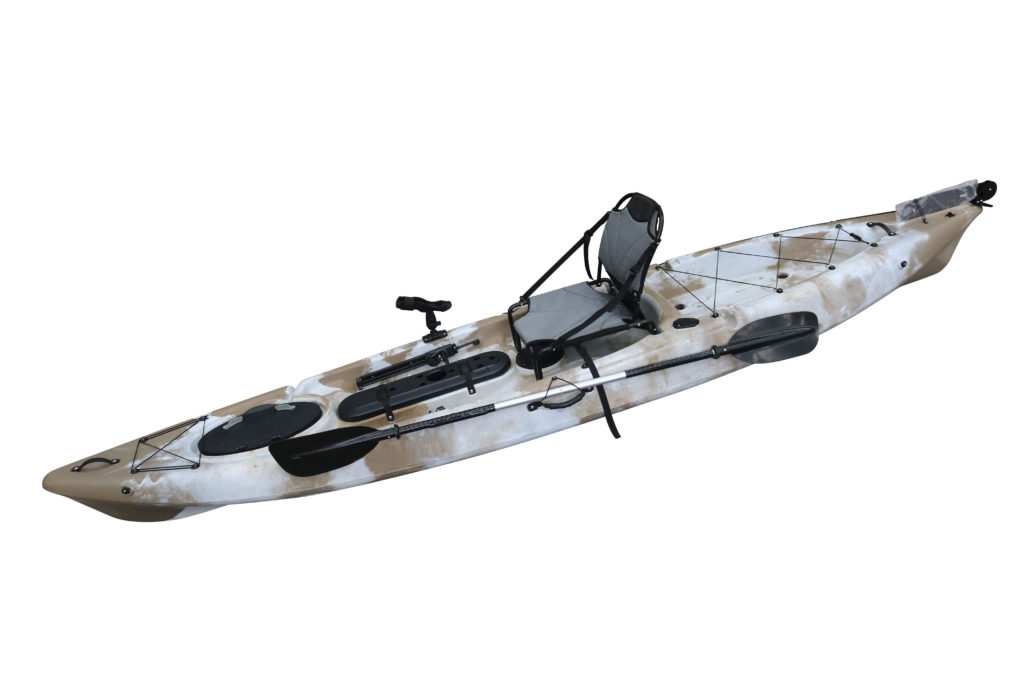
Traditional kayaks, often made from polyethylene or composite materials, are generally a single, solid piece. They require significant storage space due to their fixed length, often ranging from 10 to 18 feet. For those with a garage or dedicated outdoor area, this isn't usually an issue. These kayaks can be easily stored using racks, hoists, or wall mounts.
Modular Kayak Storage
Modular kayaks are designed to be disassembled into smaller sections, making them ideal for locations with limited space. Each section can be stored in compact areas, such as closets or under beds. This can be a game-changer for apartment dwellers and those without large storage spaces.
Ease of Transportation and Setup
Transporting Traditional Kayaks
Transporting a traditional kayak typically requires roof racks or a trailer, and it can be cumbersome to lift onto a vehicle. This may necessitate additional equipment or assistance for loading and securing the kayak.
Transporting Modular Kayaks
Modular kayaks offer a simpler transportation solution. They can be taken apart and the sections typically fit into the trunk or back seat of most vehicles. This flexibility eliminates the need for roof racks and reduces the physical effort involved in transportation.
Durability and Material Composition
Construction of Traditional Kayaks
Traditional kayaks are renowned for their robust construction using materials like fiberglass and polyethylene. These materials provide excellent durability, even in challenging water conditions, making them a reliable option for long-term use.
Material Benefits of Modular Kayaks
Modular kayaks, primarily manufactured using high-performance thermoplastics, offer durability comparable to traditional models. The sections fit together securely to maintain structural integrity, even in rough waters.
Assembly Time and Convenience
Traditional Kayak Readiness
A major advantage of traditional kayaks is their simplicity. They require no assembly, making them quick to deploy for immediate use upon reaching the water.
Modular Kayak Assembly
Modular kayaks introduce a brief setup process. However, manufacturers have developed intuitive systems allowing the sections to be clicked together in seconds. This small inconvenience is offset by the benefits of storage and transportation flexibility.
Versatility in Use and Adaptability
Traditional Kayak Functionality
Traditional kayaks are often designed with specific purposes in mind, such as touring, fishing, or racing. This specificity ensures optimal performance for the intended use but limits adaptability.
Adaptability of Modular Kayaks
Modular kayaks provide impressive versatility. Users can reconfigure them from solo to tandem setups by adding or removing sections. This adaptability allows for varied uses, enhancing their appeal across different kayaking activities.
Performance and On-Water Experience
Performance of Traditional Kayaks
Traditional kayaks excel in performance, providing stability and speed, which is crucial for competitive paddling or long-distance touring. They offer a smooth glide, thanks to their streamlined design and materials.
On-Water Experience with Modular Kayaks
Despite being modular, these kayaks maintain competitive performance levels. Their design ensures nimble maneuverability and stability, suitable for both leisure paddling and more intensive activities.
Design and Aesthetic Appeal
Aesthetic of Traditional Kayaks
Traditional kayaks boast a classic design that appeals to purists. They often feature elegant lines and traditional color palettes, appealing to those who appreciate aesthetic continuity.
Design Features of Modular Kayaks
Modular kayaks bring modern and often innovative designs to the table. The ability to choose configurations contributes to their visual appeal, alongside vibrant color options that cater to personal tastes.
Cost Considerations
Price Range of Traditional Kayaks
The cost of traditional kayaks varies depending on the materials used and the specific design. On average, a high-quality traditional kayak can range from $800 to $3000.
Cost Efficiency of Modular Kayaks
Modular kayaks offer a cost-effective solution with prices typically between $600 and $2500, depending on the configuration and materials. Their adaptability can lead to long-term savings for those needing multiple kayak setups.
Intended User Experience and Preferences
Preferences for Traditional Kayak Users
Traditional kayaks attract users who value performance consistency and a hassle-free experience. They suit individuals focused on specific kayaking activities without the need for additional setup.
User Experience with Modular Kayaks
Modular kayak users benefit from customization options that suit various preferences. They cater to users who prioritize flexibility, ease of transport, and innovative designs.
Environmental and Sustainable Impact
Sustainability of Traditional Kayaks
Traditional kayaks, while durable, often involve materials that are not biodegradable. This can be a concern for environmentally conscious consumers seeking sustainable solutions.
Eco-Friendliness of Modular Kayaks
Manufacturers of modular kayaks are increasingly focusing on sustainable materials and production methods. The efficiency in transportation also contributes to reduced carbon footprints.
Vickingkayaks Provide Solutions
Vickingkayaks offers innovative solutions for kayaking enthusiasts, bridging the gap between traditional and modular kayak benefits. By focusing on durability and adaptability, Vickingkayaks ensures high performance on water with eco-friendly materials. Their designs cater to varying user preferences, providing options that enhance the kayaking experience. Whether it's for competitive paddling or casual outings, Vickingkayaks delivers products that meet the demands of storage, transportation, and performance, backed by quality craftsmanship and sustainability.
User hot search: best modular kayaks Related Post







Hot Products - Sitemap - Special
pedal drive kayaks , kayak float , kayak stand , most stable sit on kayak , best cool box , kayak boat manufacturers
 Privacy settings