


Admin

Aug 27, 2025

Surfing
Introduction to Rotomolded Kayaks
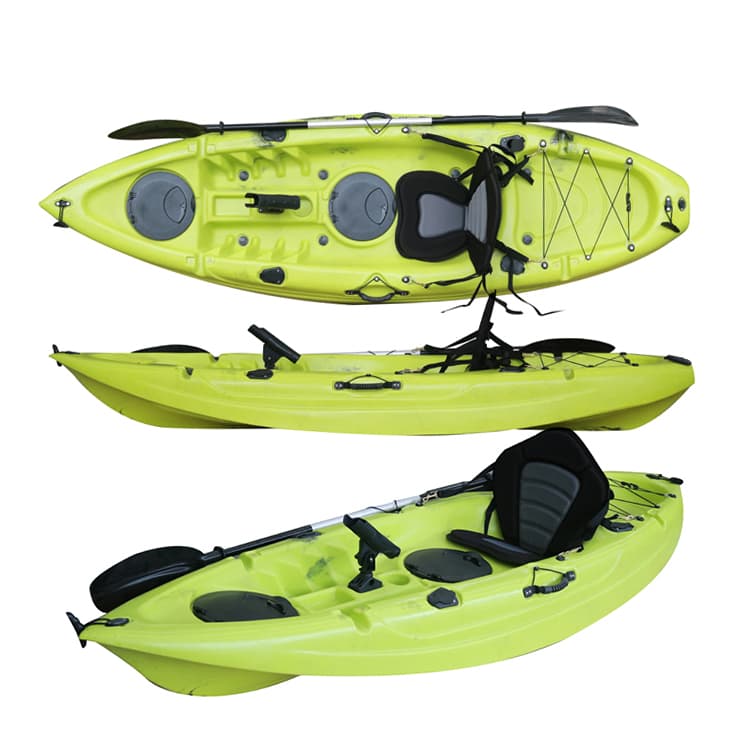
Rotomolded kayaks have been a popular choice for water enthusiasts since their introduction in the 1970s. These kayaks are appreciated for their durability and affordability. However, the manufacturing process and material usage raise significant environmental concerns. This article delves into the environmental impacts associated with rotomolded kayaks, highlighting the key issues and examining possible solutions.
Manufacturing Process and Environmental Impact
Material Usage in Rotomolding
The production of rotomolded kayaks involves heating plastic pellets in a hollow metal mold, then rotating the mold to distribute the material evenly. Polyethylene, a common plastic used in this process, is derived from petrochemicals. The extraction and refinement of these resources contribute to pollution and greenhouse gas emissions.
Energy Consumption During Manufacture
The rotomolding process requires significant energy to heat the molds. This energy is often sourced from fossil fuels, further contributing to CO2 emissions. Estimates suggest that for every pound of polyethylene processed, around 1.478 pounds of CO2 are emitted, highlighting the carbon-intensive nature of kayak production.
Material Durability vs. Environmental Cost
Advantages of Polyethylene
Polyethylene offers exceptional durability, making rotomolded kayaks resistant to impact and wear. This durability makes them ideal for rugged environments, such as rocky rivers and coastal areas. However, the environmental cost is high, as polyethylene is a non-biodegradable material, persisting in landfills and waterways for centuries.
Environmental Longevity
While the longevity of polyethylene reduces the need for frequent replacements, it also means that old kayaks contribute to accumulating plastic waste. The challenge lies in balancing the material's durability with its environmental footprint.
Carbon Footprint of Kayak Production
Global Supply Chain Considerations
Many rotomolded kayaks are manufactured in China, a key player in global manufacturing. The reliance on international shipping and distribution increases the carbon footprint. Transporting kayaks from OEM suppliers in China to global markets involves multiple stages, each contributing to emissions and resource consumption.
Quantifying Emissions
Studies have shown that producing a single batch of rotomolded kayaks can result in approximately 2.25 tonnes of CO2 emissions. For a production run of 80 kayaks, this equates to significant atmospheric pollution, complicating efforts to reduce the overall environmental impact of kayak manufacturing.
Comparison with Other Kayak Materials
Thermoformed and Composite Alternatives
Kayaks made from thermoformed plastics and composites present different environmental profiles. Thermoformed kayaks use advanced laminates to reduce material usage, while composites offer sleek designs with a lighter weight. However, both alternatives come with their own environmental concerns, including energy use and resource extraction.
Material Efficiency and Weight
While thermoformed and composite kayaks may offer lighter weight and improved performance, they do not fully address the environmental concerns associated with traditional manufacturing processes. The balance between performance and sustainability remains a key consideration for consumers and manufacturers alike.
Recycling and End-of-Life Considerations
Challenges in Recycling Rotomolded Kayaks
Recycling polyethylene kayaks is challenging due to the material's degradation properties. While some companies strive to incorporate recycled materials, the lack of infrastructure and consumer incentives limits widespread adoption. Attempts to use post-consumer plastic are often hindered by higher costs and quality control issues.
Innovations in Recycling
Some manufacturers are beginning to explore innovative recycling methods, such as using recycled marine plastics to produce new kayaks. These efforts seek to close the loop in the production cycle, reducing waste and promoting a circular economy.
Sustainable Alternatives and Innovations
Emerging Materials and Technologies
Emerging materials, such as bioplastics and plant-based polymers, offer potential alternatives to traditional polyethylene. These materials aim to reduce reliance on fossil fuels and decrease environmental impact. However, they are still in the early stages of development and have yet to reach mainstream production.
Industry-Wide Sustainability Initiatives
Efforts to improve sustainability in the kayaking industry include partnerships with environmental organizations and initiatives to reduce emissions across the supply chain. These efforts play a crucial role in promoting long-term environmental stewardship.
Consumer Behavior and Environmental Awareness
Influencing Purchasing Decisions
Consumer awareness of environmental issues is shaping purchasing decisions in the kayak market. Buyers increasingly seek products with lower environmental footprints, prompting manufacturers to highlight eco-friendly practices and materials.
Market Demand and Responsiveness
The growing demand for sustainable products pushes manufacturers to innovate and adapt. Companies that prioritize environmental transparency and sustainability are likely to gain a competitive edge in a market increasingly driven by eco-conscious consumers.
Regulatory and Industry Responses
Governmental Regulations and Policies
Regulations targeting plastic waste and emissions are shaping the kayak industry. Governments worldwide are implementing policies to curb plastic usage and promote recycling, encouraging manufacturers to comply with environmentally friendly practices.
Industry Standards and Certifications
Industry standards and certifications play a vital role in promoting sustainable practices. Certifications for recycled content and carbon neutrality enable manufacturers to demonstrate their commitment to environmental responsibility.
Conclusion: Balancing Performance and Sustainability
Addressing the environmental concerns associated with rotomolded kayaks requires collaboration across the global supply chain, from OEM suppliers in China to distributors worldwide. By embracing innovations in materials and manufacturing processes, the kayaking industry can work towards a more sustainable future.
Vickingkayaks Provide Solutions
Vickingkayaks recognizes the environmental challenges and is committed to minimizing the impact of kayak production. By sourcing materials responsibly, optimizing manufacturing processes, and exploring recycling innovations, Vickingkayaks aims to reduce emissions and promote sustainability. Collaboration with OEM suppliers and investment in research are central to our approach, ensuring that our kayaks offer both performance and environmental consciousness. Together, we strive to achieve a sustainable future for all water enthusiasts.
User hot search: roto mold kayak Related Post







Hot Products - Sitemap - Special
sit in kayak , best cool box , kayak manufacturer , Kayak , rotomolded kayak manufacturers , kayak boat manufacturers
 Privacy settings